Mandir
(10 Products)
Bring peace to your home with our beautifully crafted wooden temples (mandirs). Find a range of sizes and intricate designs to suit your space..
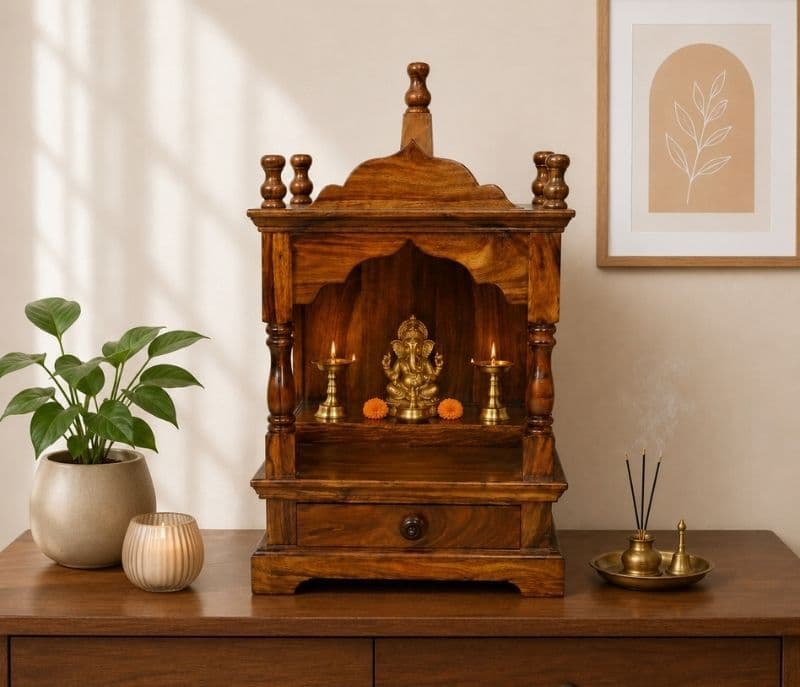
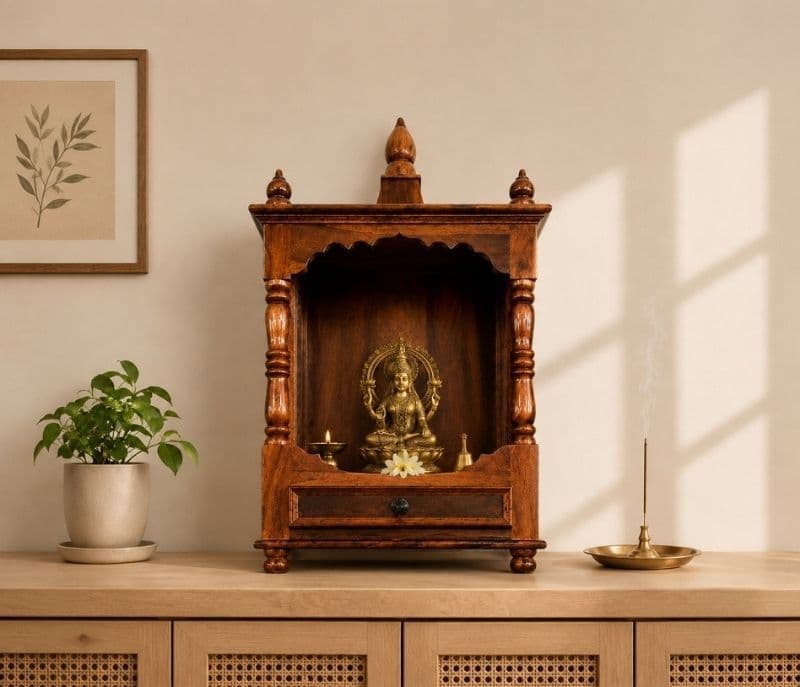
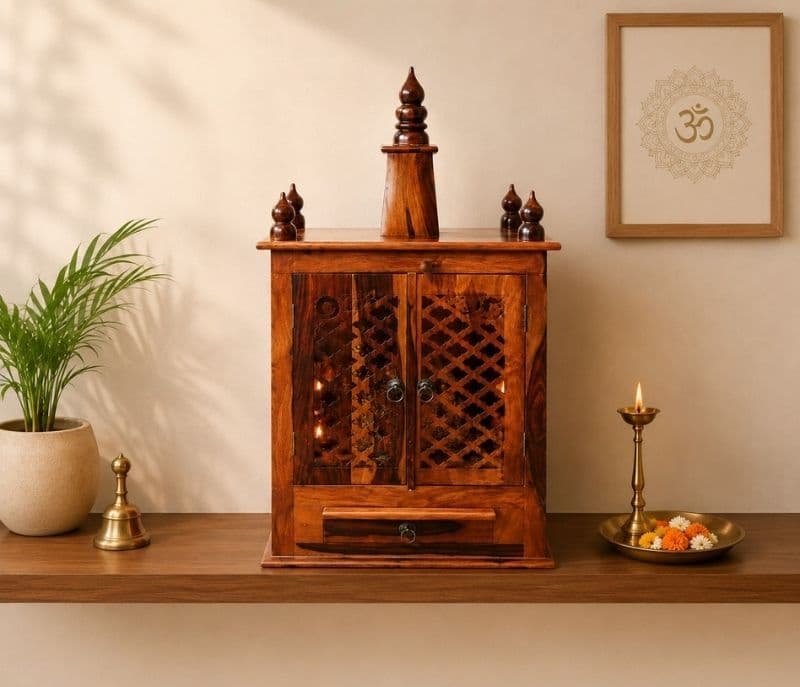
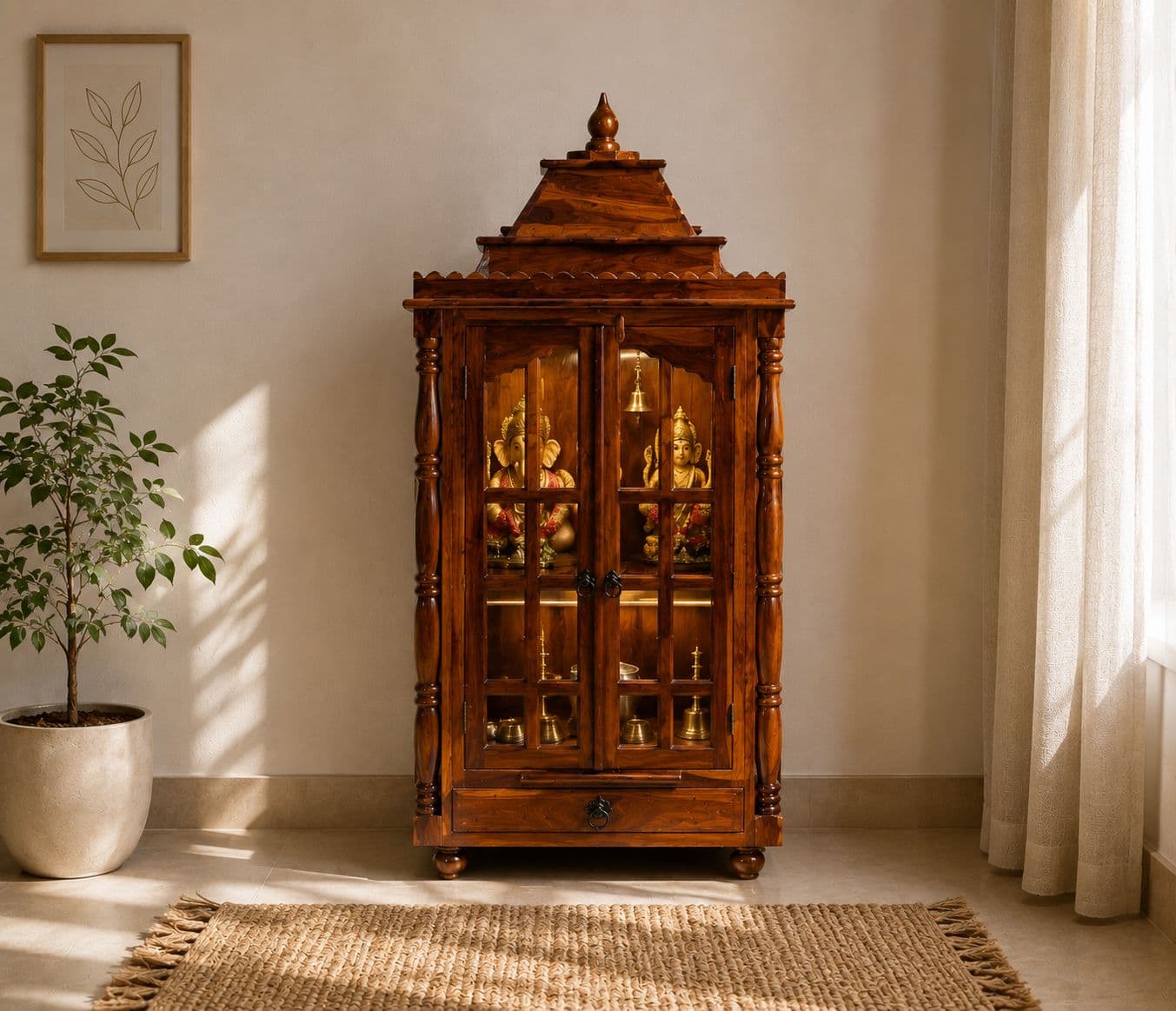
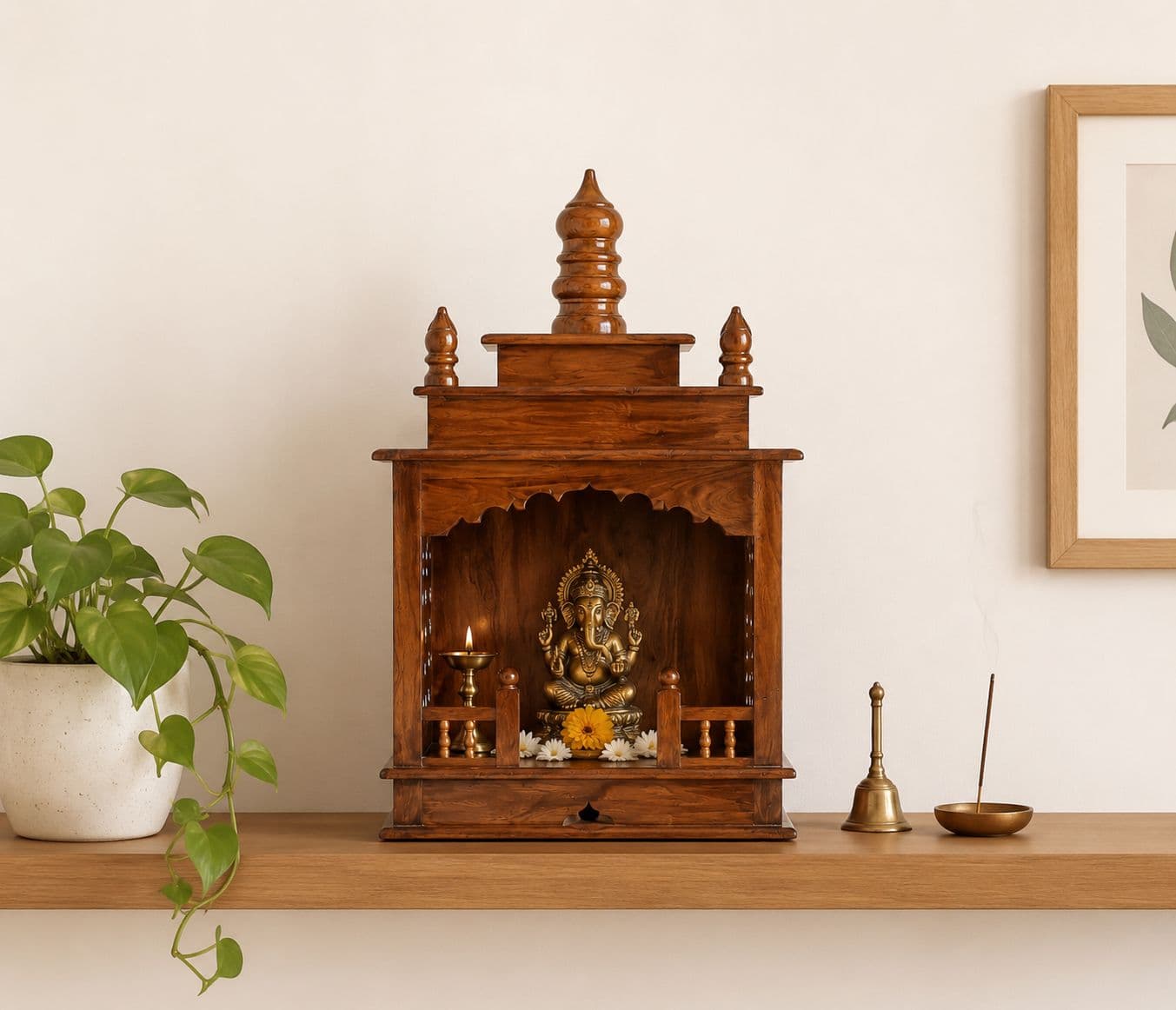
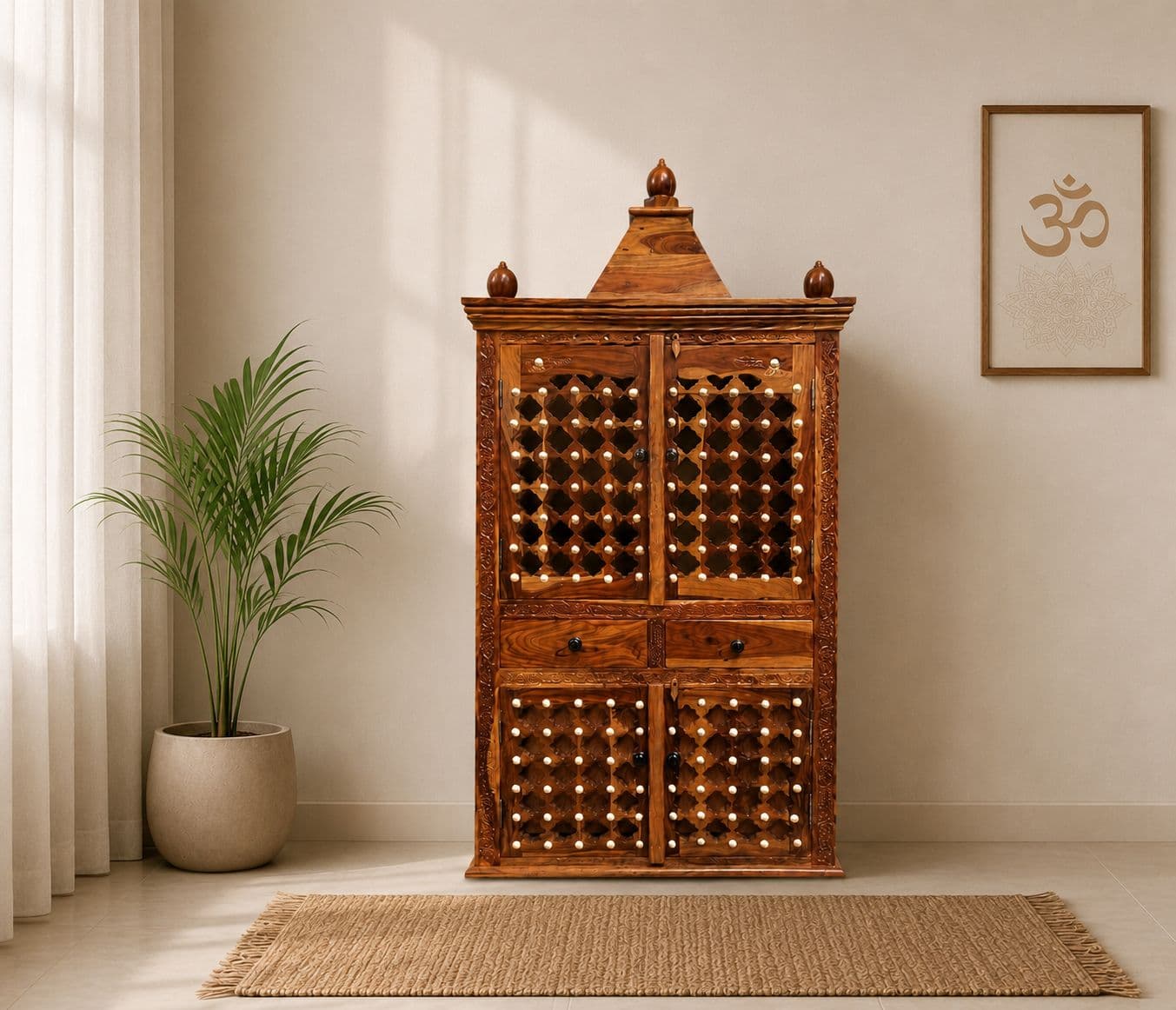
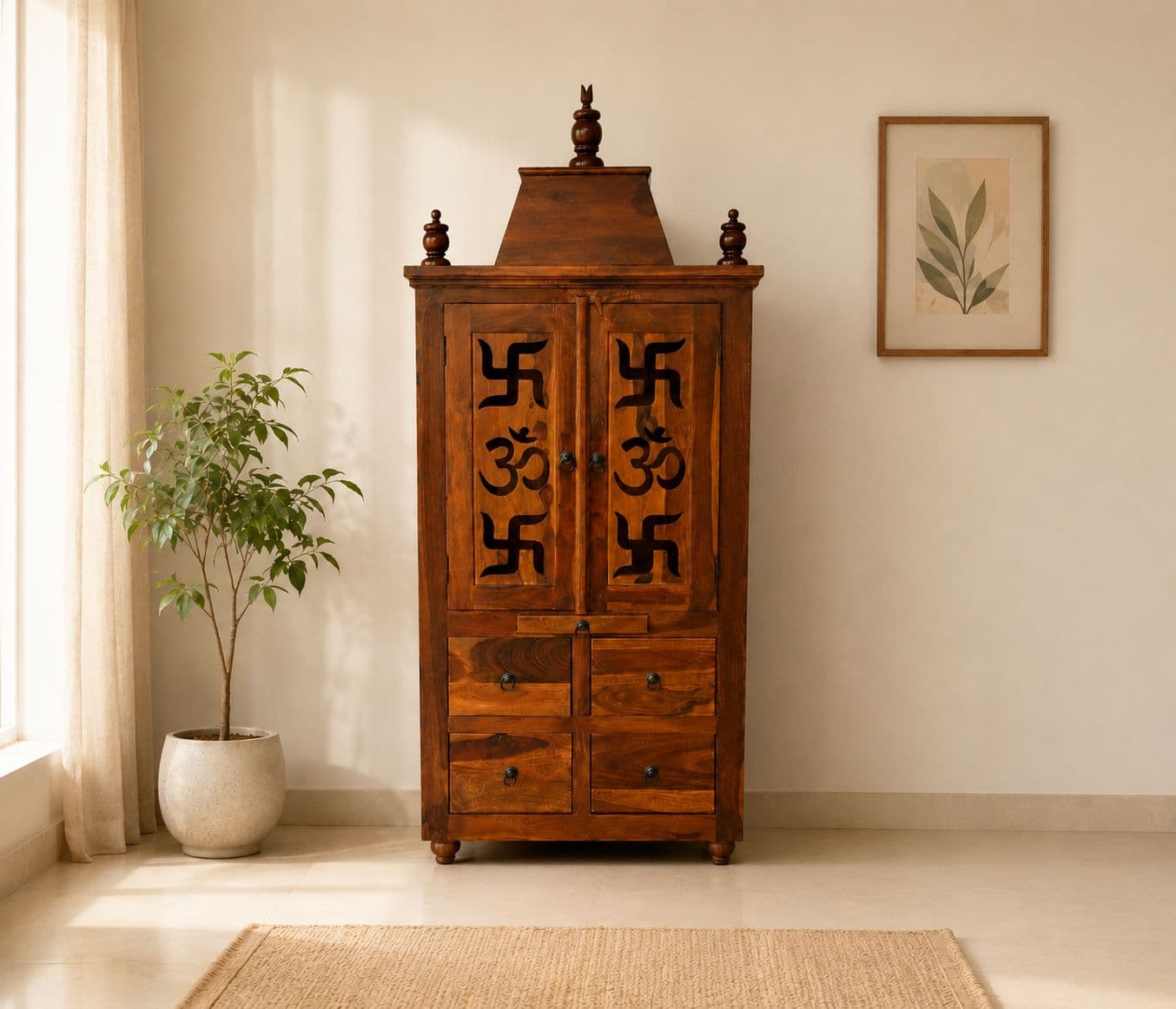
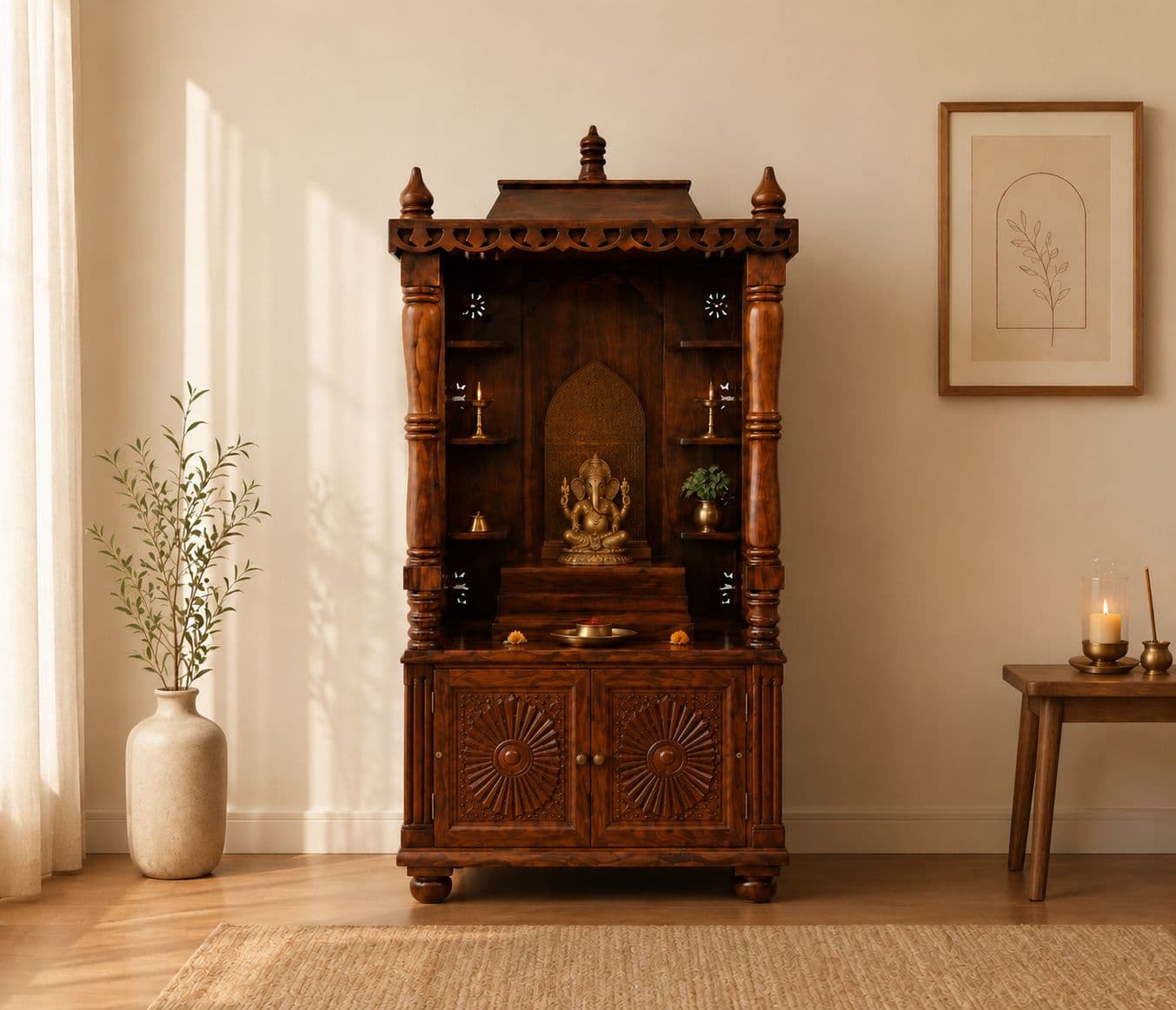
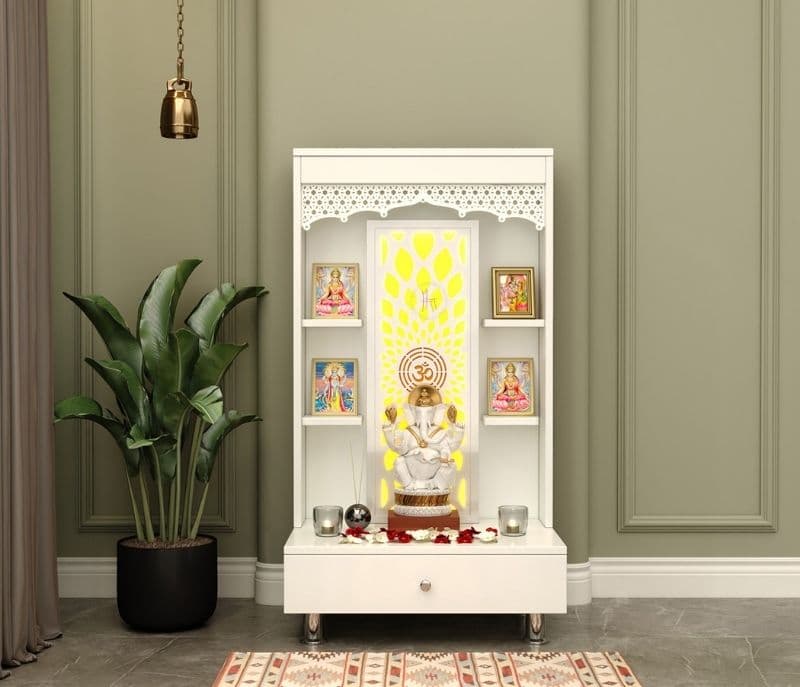
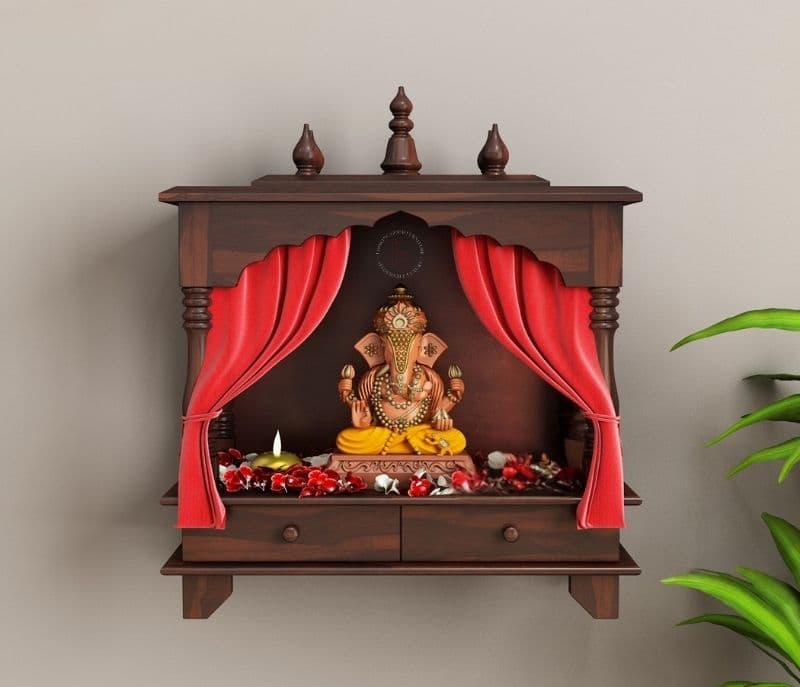
Mandirs in Bangalore: Choose the Perfect Home Temple for Your Space
A beautiful home temple can create a peaceful and meaningful corner in your home. For homeowners looking for Mandirs in Bangalore, there are many options available today, from compact wall-mounted designs to spacious floor-standing wooden temples. The right mandir should not only provide a dedicated place for daily prayers but should also complement the overall décor of your home. With modern apartments, independent houses, and spacious villas becoming increasingly diverse, homeowners are looking for temple furniture that combines traditional character with contemporary functionality.
Looking Good Furniture is an established furniture brand in Bangalore, offering a wide range of furniture solutions for modern homes. The company was established in 1997 and operates multiple showrooms across Bangalore and Hyderabad. Its official website also provides online furniture shopping and information about its stores and services.
When selecting a home temple, homeowners should consider available space, design, material, storage requirements, finish, maintenance, and the overall appearance of the room. A carefully selected mandir can become both a spiritual space and an elegant element of your interior.
Why Home Mandirs Are Important in Modern Homes
A home mandir provides a dedicated area for prayer, meditation, and religious practices. Traditionally, Indian homes have included a separate pooja room or prayer area. However, modern apartments often have limited space, so a dedicated room may not always be practical.
This has increased interest in compact home temples. A well-designed mandir can create a defined prayer space without requiring an entire room. Wall-mounted designs, corner units, compact floor-standing temples, and cabinet-style mandirs can be particularly useful in apartments.
A mandir can also contribute to the visual character of an interior. Wooden finishes, carved details, arches, pillars, jaali patterns, and decorative doors can introduce traditional Indian aesthetics into contemporary homes.
The most important consideration is to choose a design that works comfortably with your available space and daily routine. The mandir should be accessible, easy to clean, and large enough to accommodate the idols and pooja accessories used by your family.
Choosing Mandirs in Bangalore for Different Home Sizes
Bangalore homes come in many different configurations. A compact apartment may require a small wall-mounted temple, while a large villa may have enough space for an elaborate floor-standing mandir.
For smaller homes, vertical designs can be useful because they provide a dedicated prayer space while occupying relatively little floor area. A wall-mounted mandir can also leave the floor clear, which can help maintain a more open appearance.
Medium-sized apartments can accommodate compact floor-standing temples. These may provide additional shelves, drawers, or cabinets for storing incense, lamps, religious books, pooja vessels, and other accessories.
For larger houses, homeowners may prefer a more elaborate temple with multiple shelves, decorative pillars, doors, and additional storage. Such a design can become the central feature of a dedicated pooja area.
Before purchasing, measure the intended location carefully. Consider not only the dimensions of the mandir but also the surrounding clearance. Doors and drawers should open comfortably without hitting nearby furniture.
Wooden Mandir Designs for Bangalore Homes
Wood remains one of the most popular materials for traditional home temples because of its warm appearance and versatility. Wooden designs can range from simple contemporary structures to highly decorative traditional temples.
A wooden mandir can complement furniture already present in the home. For example, a natural wood finish can coordinate with wooden beds, cabinets, dining furniture, or living-room storage units.
Traditional designs may feature carved columns, domes, arches, decorative panels, bells, and jaali-style detailing. Modern designs can use clean lines, simple profiles, subtle finishes, and minimal decoration.
The choice should depend on the home's interior style. A heavily decorated temple may look excellent in a traditional interior but may appear visually dominant in a minimalist apartment. Similarly, a very simple temple may not provide the desired traditional character in a classic interior.
Therefore, the ideal design is one that creates harmony between the spiritual purpose of the mandir and the existing interior design.
Wall-Mounted Mandirs for Compact Apartments
Wall-mounted mandirs can be an excellent solution for homes where floor space is limited. Instead of occupying a significant portion of the floor, the temple is positioned against a wall.
This style is particularly suitable for apartments where every square foot matters. It can be placed in an appropriate prayer corner, living area, dining space, or another suitable location according to the homeowner's preferences and traditions.
A wall-mounted mandir can also create a clean and modern appearance. Designs with shelves can provide space for idols, lamps, incense holders, religious books, and decorative accessories.
However, installation should be approached carefully. The wall and mounting system should be suitable for the furniture's weight. The temple should be securely fixed and positioned at a comfortable height.
For families with young children, stability and safe installation are especially important.
Floor-Standing Mandirs for Larger Homes
Floor-standing temples are suitable for homeowners who want a more substantial prayer space. They can provide greater storage capacity and may include multiple levels for placing idols and accessories.
These designs can also act as a statement furniture piece. Decorative doors can provide privacy, while carved panels and traditional details can create a temple-like atmosphere.
A floor-standing mandir is particularly suitable for larger bedrooms, living areas, independent houses, villas, or dedicated pooja rooms.
When choosing one, consider its total height. A tall temple can create a dramatic appearance, but it should maintain appropriate proportions relative to the ceiling height and surrounding furniture.
Width and depth also matter. The mandir should not obstruct walking paths or make the room feel crowded.
Modern Mandir Designs
Modern homes often benefit from simple and elegant temple designs. Contemporary mandirs may use clean geometric lines, understated finishes, glass or jaali-style doors, and minimal ornamentation.
These designs are ideal for homeowners who want to preserve a dedicated prayer area while maintaining a modern interior.
A minimalist mandir can be paired with warm lighting to create a peaceful atmosphere. Small decorative lamps, flowers, and carefully selected accessories can complete the space without making it look cluttered.
Modern designs can also be easier to coordinate with other furniture. If your home has contemporary sofas, cabinets, beds, dining furniture, and storage units, a simple temple may integrate more naturally into the overall design.
Traditional Mandir Designs
Traditional Indian temple designs continue to be popular among homeowners who appreciate detailed craftsmanship and cultural aesthetics.
Traditional mandirs may feature carved pillars, arches, domes, bells, ornamental borders, and decorative doors. Some designs are inspired by architectural elements found in Indian temples.
Such furniture can become a focal point in the room. Natural wood tones can provide warmth, while darker finishes can create a rich and classic appearance.
Traditional designs work particularly well in homes with classic wooden furniture and ethnic décor. They can also create an attractive contrast within a modern apartment.
When choosing a traditional mandir, balance decoration with practicality. Intricate detailing looks beautiful, but the temple should still be easy to clean and use regularly.
How to Choose the Right Size
Size is one of the most important factors when selecting a home temple. Before browsing furniture, measure the available area.
Record the maximum width, height, and depth that the space can accommodate. Also consider nearby windows, doors, electrical outlets, furniture, and walking paths.
If you have several idols and frequently use multiple pooja accessories, you may need more shelf space. If the temple is primarily for one or two idols, a compact design may be sufficient.
Avoid selecting a temple simply because it looks attractive in photographs. A product can appear smaller or larger depending on the photography and surrounding objects.
Always compare the listed product dimensions with the actual dimensions of your room.
Storage Features in a Home Mandir
Storage can make a mandir significantly more practical. Many homeowners need a place to keep incense sticks, camphor, prayer books, diyas, oil containers, flowers, cloths, and other pooja accessories.
A mandir with drawers or cabinets can help keep these items organized and out of sight.
Open shelves can be useful for frequently accessed items, while closed storage can keep less frequently used accessories protected from dust.
The amount of storage required depends on your daily prayer routine. If you maintain a simple setup, a few shelves may be sufficient. Families that perform elaborate rituals may benefit from a larger unit with drawers and cabinets.
Good organization can make the prayer area easier to maintain and can help keep the surrounding room visually clean.
Choosing the Right Finish
The finish of a mandir can influence the entire appearance of the prayer area.
Natural wood tones create a warm and traditional appearance. Medium and darker finishes can provide a rich, classic character, while lighter finishes can work well in contemporary interiors.
White or light-colored temples can make compact spaces feel brighter. Natural wood finishes, meanwhile, can create a connection with traditional Indian furniture.
Consider the color of the walls, flooring, cabinets, and nearby furniture before selecting a finish.
You do not necessarily need an exact color match. Instead, aim for complementary tones that create visual balance.
Mandirs in Bangalore for Apartments
Apartment living requires careful furniture planning. Since space can be limited, homeowners need furniture that provides functionality without making rooms feel crowded.
A compact mandir can be positioned in a dedicated corner or another suitable area. Wall-mounted designs can be particularly useful where floor space is limited.
For a small apartment, choose a temple with an appropriate footprint. Avoid excessively large units that dominate the room.
You can also create a visually separate prayer corner using lighting, a decorative wall panel, or a carefully arranged furniture layout.
The objective is to create a peaceful area without compromising movement and everyday functionality.
Creating a Beautiful Pooja Corner
A mandir is only one part of a prayer space. The surrounding area can also be designed thoughtfully.
Warm lighting can make the space feel peaceful. A small rug or appropriate floor covering can define the area. Fresh flowers and simple decorative elements can add natural beauty.
Avoid placing too many unrelated objects around the temple. A clean and organized environment can make the space feel more serene.
If the mandir has storage, use it to keep pooja accessories organized rather than leaving them scattered around the room.
A mirror or decorative wall element may also be used depending on the room design and personal preferences.
Mandir Placement and Vastu Considerations
Many Indian homeowners consider Vastu principles while designing their prayer areas. Preferences can vary between families and traditions, so homeowners may wish to consult a qualified Vastu professional for personalized guidance.
From a furniture perspective, the practical considerations remain important. The temple should be placed in a clean and accessible area where daily prayers can be performed comfortably.
Avoid creating a cramped prayer corner simply to follow a particular furniture arrangement. The design should work with the home's actual layout.
Good ventilation, sufficient lighting, easy cleaning, and convenient access can all contribute to a comfortable prayer space.
Easy Maintenance of Wooden Mandirs
A home temple should be maintained regularly because it is used frequently and may be exposed to oil, incense smoke, flowers, dust, and other materials.
Dust the furniture regularly with a soft, dry or appropriately damp cloth according to the manufacturer's care instructions.
Spilled oil or water should be cleaned promptly. Avoid using harsh chemicals unless they are specifically recommended for the furniture finish.
The shelves and corners should be cleaned regularly because incense and oil residue can accumulate over time.
If the mandir has decorative carvings, use suitable soft cleaning tools to remove dust without damaging the detailing.
Proper maintenance can help preserve the furniture's appearance and functionality.
Why Choose Looking Good Furniture?
Looking Good Furniture has been serving customers since 1997 and describes itself as a Bangalore-based affordable-luxury furniture brand. Its official information highlights ready-stock furniture, durable quality, contemporary designs, and value-oriented pricing.
The company has multiple stores across Bangalore, including locations in Dickenson Road, Koramangala, Whitefield, Banaswadi, Banashankari, BTM Layout, Electronic City, and other areas. Its website currently lists nine store locations across Bangalore and Hyderabad.
For homeowners who prefer seeing furniture physically before purchasing, showroom shopping can make it easier to understand the actual size, finish, construction, and appearance of a product.
At the same time, online research makes it easier to explore furniture from home and compare available options.
You can explore the company's furniture collections through the official Looking Good Furniture website.
Online Furniture Shopping for Bangalore Homes
Online furniture shopping has become increasingly convenient. Customers can research designs, compare specifications, and explore different furniture categories without immediately visiting a store.
When buying a mandir online, however, it is particularly important to verify measurements and product details.
Look for information about:
- Overall width
- Overall height
- Overall depth
- Material
- Finish
- Number of shelves
- Storage compartments
- Doors
- Assembly requirements
- Delivery information
- Warranty or applicable service terms
Product photographs are helpful, but dimensions provide the information needed to determine whether the furniture will actually fit your home.
If you are uncertain about a product's suitability, contacting the furniture retailer before ordering can help clarify product details.
Matching a Mandir With Your Interior
A mandir can either blend into your interior or become a statement feature. Both approaches can work.
For a minimalist home, select a simple temple with clean lines and a restrained finish. For a traditional home, a carved wooden temple with decorative elements may be more appropriate.
In a contemporary living room, a compact wooden temple can introduce warmth and cultural character without overpowering the space.
If your home already contains significant wood furniture, selecting a complementary finish can create a cohesive appearance.
The goal is not necessarily to make every furniture piece identical. Instead, consider color, material, scale, and visual balance.
Mandirs for Different Interior Styles
Minimalist Interiors
Choose clean lines, simple surfaces, limited ornamentation, and neutral finishes.
Traditional Interiors
Look for carved details, pillars, arches, decorative doors, and warm wood finishes.
Contemporary Interiors
Modern profiles, subtle detailing, lighter finishes, and compact proportions can work effectively.
Luxury Interiors
Premium finishes, elaborate detailing, integrated lighting, and larger temple structures can create a sophisticated focal point.
Compact Interiors
Wall-mounted or narrow vertical designs can maximize available space while providing a dedicated prayer area.
How to Shop for Mandirs in Bangalore
Start by determining where the temple will be placed. Measure the available space and identify any restrictions.
Next, decide whether you prefer a wall-mounted, corner, compact floor-standing, or larger floor-standing design.
Then determine how much storage you need. Consider the number of idols and pooja accessories that need to be accommodated.
After that, choose the material and finish that best matches your interior.
Finally, compare products based on construction, functionality, appearance, price, delivery, and after-sales considerations.
If you prefer seeing furniture before purchasing, visiting a showroom can be particularly useful. Looking Good Furniture has multiple Bangalore locations, making physical furniture browsing convenient for customers in different parts of the city.
Why Quality Matters in a Mandir
A home temple is often used every day. Therefore, quality should be considered alongside appearance.
The structure should be stable, shelves should be appropriate for the intended use, and doors and drawers should function smoothly.
A well-designed mandir should also be easy to clean. Excessively complicated designs may require additional maintenance, while carefully finished surfaces can be easier to keep looking attractive.
Furniture quality can influence its long-term usability. Rather than choosing only based on appearance, consider how the mandir will fit into your daily routine.
Make Your Prayer Space Beautiful and Functional
A home temple should reflect both personal faith and practical lifestyle. Whether you live in a compact Bangalore apartment or a spacious independent house, there is no single design that works for everyone.
Some homeowners prefer a small and discreet prayer corner. Others want a large traditional temple that becomes a central feature of their home.
The right choice depends on available space, family requirements, interior design, storage needs, and personal preferences.
With careful planning, a mandir can become a beautiful part of your home while maintaining its primary purpose as a peaceful place for prayer and reflection.
Conclusion
Choosing Mandirs in Bangalore is about more than simply finding a piece of furniture. A home temple becomes part of the everyday environment and can provide a dedicated place for prayer, meditation, and family traditions.
From wall-mounted temples for compact apartments to large wooden designs for spacious homes, today's furniture choices offer considerable flexibility. The ideal mandir should match your available space, storage requirements, interior style, maintenance preferences, and budget.
When comparing options, pay attention to dimensions, material, finish, construction, storage, accessibility, and overall design. A beautiful mandir should also be practical enough for everyday use.
Looking Good Furniture, with its long-standing presence in Bangalore and multiple showroom locations, provides homeowners with furniture-shopping options both online and through physical stores.
Whether you are furnishing a new home, redesigning an existing prayer area, or simply looking for a more organized place for your pooja essentials, choosing the right home temple can add both functionality and traditional character to your living space.
Frequently Asked Questions About Mandirs in Bangalore
1. What should I consider before buying a home mandir?
Consider the available space, mandir dimensions, material, finish, storage capacity, design, maintenance requirements, and how well it complements your existing furniture.
2. Which type of mandir is best for a small apartment?
Wall-mounted or compact floor-standing mandirs can work well in small apartments because they provide a dedicated prayer space without taking up excessive floor area.
3. Are wooden mandirs suitable for modern homes?
Yes. Wooden mandirs are available in both traditional and contemporary designs. A simple wooden temple can complement modern furniture while adding warmth and cultural character.
4. How do I select the right size mandir?
Measure the available width, height, and depth before purchasing. Also make sure there is enough surrounding space to comfortably access the temple and open any doors or drawers.
5. Can a mandir be placed in a living room?
Yes. Many homeowners create a dedicated prayer corner within the living room. The design should be selected according to the room layout and personal preferences.
6. Are wall-mounted mandirs good for Bangalore apartments?
They can be particularly useful in apartments where floor space is limited. However, the wall and mounting system must be appropriate for securely supporting the furniture.
7. What can I store inside a mandir?
Depending on its design, storage compartments can be used for prayer books, incense sticks, diyas, camphor, pooja vessels, flowers, cloths, and other prayer accessories.
8. How should I maintain a wooden mandir?
Regularly remove dust using a soft cloth and clean spills promptly. Avoid harsh cleaning products unless recommended for the particular furniture finish.
9. Should a mandir match my other furniture?
It does not have to match exactly. However, choosing complementary colors, materials, finishes, and proportions can create a more coordinated interior.
10. Does Looking Good Furniture have stores in Bangalore?
Yes. Looking Good Furniture lists several Bangalore stores, including locations in Dickenson Road, Koramangala, Whitefield, Banaswadi, Banashankari, BTM Layout, Electronic City, and other areas.
11. Can I explore Looking Good Furniture products online?
Yes. Customers can browse furniture categories and company information through the official website. The company also states that it delivers in Bangalore and Hyderabad.
12. Where can I learn more about Looking Good Furniture?
You can visit the official Looking Good Furniture website for furniture collections, store locations, services, and additional information. You can also follow the brand on its official Facebook page.