Storage Containers
(2 Products)
Preserve freshness and organize your pantry with our food storage containers. We offer a variety of sizes and materials to meet all your kitchen storage needs..
Sort By :
View As
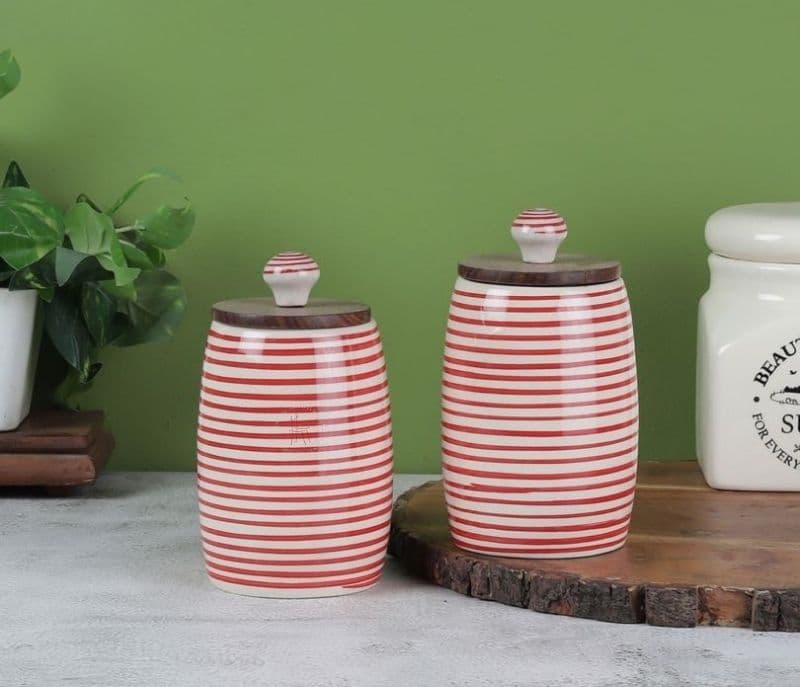
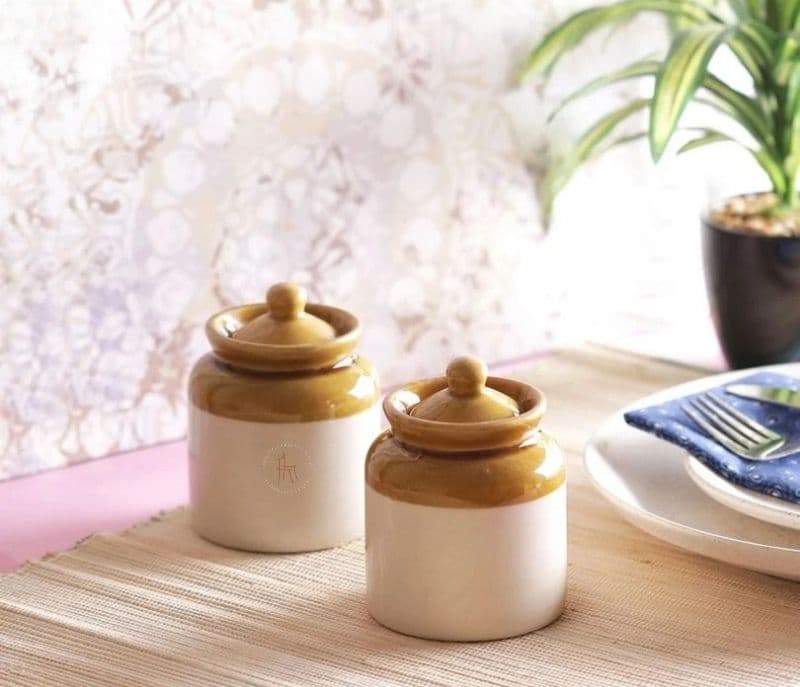
Storage Containers in Bangalore and Hyderabad – Looking Good Furniture
A well-organised kitchen is easier to use, easier to maintain, and more enjoyable for everyday cooking. One of the simplest ways to improve kitchen organisation is by choosing the right storage containers. From rice, flour, pulses, and spices to snacks, dry fruits, leftovers, and everyday ingredients, suitable containers can help keep kitchen essentials arranged while making them easier to identify and access.
Modern homes often require storage solutions that combine functionality, convenience, durability, and attractive design. Kitchen shelves and cabinets may provide the basic storage space, but containers help divide that space into manageable sections. Stackable containers can make better use of vertical space, transparent containers can make contents easy to identify, and airtight designs can be useful for many dry pantry ingredients.
For homeowners searching for Storage Containers in Bangalore, Storage Containers in Hyderabad, Best Storage Containers in Hyderabad, Online Storage Containers, Buy Storage Containers Online, Buy Storage Containers Online in Bangalore, Storage Containers Online in Hyderabad, choosing the right product involves more than simply selecting a container based on appearance. Capacity, material, lid design, dimensions, stackability, cleaning requirements, and intended use should all be considered.
What Are Storage Containers?
Storage containers are boxes, jars, canisters, tins, or other enclosed storage products designed to hold and organise different household or kitchen items. In kitchens, they are commonly used for dry groceries, spices, snacks, leftovers, baking ingredients, dry fruits, cereals, pulses, and other food products.
They are available in many sizes and materials. Depending on the purpose, homeowners can choose glass containers, stainless-steel containers, food-grade plastic containers, ceramic jars, or other specialised storage solutions.
Kitchen storage containers can also support better pantry organisation. When similar ingredients are stored together in appropriately sized containers, it becomes easier to identify what is available and maintain an organised storage system.
Modern storage collections commonly include stackable containers, airtight designs, transparent containers, glass jars, stainless-steel tins, and containers in different capacities for different pantry requirements.
Why Are Storage Containers Important?
Kitchen shelves can become cluttered when food packets, opened bags, jars, and loose ingredients are stored without a consistent system. Storage containers provide a simple way to create order.
Better Kitchen Organisation
Containers allow products to be grouped according to their category. Rice, pulses, flour, sugar, cereals, snacks, spices, and dry fruits can each have dedicated storage areas.
This makes it easier to find ingredients without searching through several shelves.
Efficient Use of Cabinet Space
Uniformly shaped containers can make shelves look more organised and can sometimes improve the use of available cabinet space.
Stackable containers are particularly useful when vertical space is available. A suitable stackable design can allow multiple containers to occupy the same cabinet area efficiently.
Easier Identification
Transparent containers allow users to see their contents without opening them. This can be useful for frequently used pantry ingredients.
Labels can also be added to containers, especially when several ingredients have similar appearances.
Reduced Visual Clutter
Mismatched packets and partially opened bags can make a pantry look untidy. Transferring suitable products into coordinated containers can create a more consistent appearance.
A structured container system can therefore improve both functionality and the visual appearance of a kitchen.
Storage Containers in Bangalore
Bangalore homes range from compact apartments to spacious independent houses, so storage requirements can vary significantly.
A small apartment kitchen may benefit from compact stackable containers that make better use of cabinet height. A larger kitchen may accommodate multiple container sizes for bulk groceries, pantry supplies, snacks, baking ingredients, and dry goods.
When choosing storage containers in Bangalore, it is useful to consider the dimensions of your cabinets and shelves before purchasing. A container that looks suitable online may not fit comfortably if its height or width is incompatible with the available space.
For smaller kitchens, modular container sets can help create a consistent storage arrangement. For larger kitchens, a combination of small, medium, and large containers can accommodate different quantities.
Storage Containers in Hyderabad
Kitchens in Hyderabad can also benefit from practical and organised storage solutions. Whether the kitchen belongs to a compact apartment or a larger family home, the right containers can help manage everyday pantry requirements.
For frequently used spices, small jars can be convenient. Medium containers may work well for sugar, dry fruits, snacks, and breakfast ingredients. Larger containers can be considered for rice, flour, pulses, and other products purchased in greater quantities.
The objective is to match the container size with the quantity and frequency of use rather than choosing every container in the same size.
A well-planned combination can make pantry shelves easier to maintain while ensuring frequently used ingredients remain accessible.
Best Storage Containers in Hyderabad for Different Needs
The ideal storage container depends on what you intend to store.
A container for dry spices may have different requirements from one used for flour or rice. Similarly, a container for leftovers may need a different design from one intended for pantry storage.
Consider these common applications:
- Rice and other grains
- Wheat flour and other flours
- Pulses and lentils
- Sugar and salt
- Spices and masalas
- Dry fruits and nuts
- Biscuits and snacks
- Cereals
- Tea and coffee
- Baking ingredients
- Leftovers
- Pickles and preserves
- Meal preparation
- Refrigerator storage
The right container should provide suitable capacity and convenient access for the intended product.
Types of Storage Containers
Storage containers are available in numerous styles. Understanding the differences can help you select suitable options for different parts of the kitchen.
1. Airtight Storage Containers
Airtight containers are designed with lids that create a tighter seal around the opening. They are commonly considered for storing dry ingredients and other products where protection from moisture and air is desirable.
A proper seal can also help reduce exposure to external contaminants.
When buying an airtight container, check the actual lid mechanism rather than relying only on the word "airtight" in a product description. Silicone gaskets, locking lids, and properly fitting seals are common features in airtight designs.
2. Transparent Storage Containers
Transparent containers allow you to see the contents immediately.
They can be particularly useful for pantry organisation because you can identify rice, dal, flour, sugar, cereals, snacks, or other ingredients without opening every container.
They can also make inventory management easier.
3. Stackable Storage Containers
Stackable containers are designed to sit securely on top of one another.
They can be useful when cabinet height is available but shelf width is limited. A coordinated set of stackable containers can create a neat pantry arrangement.
4. Glass Storage Containers
Glass containers offer visibility and can be useful for storing many types of food. Glass is also generally resistant to absorbing food odours.
Some glass containers are designed for refrigerator or microwave use, but suitability varies by product, so manufacturer instructions should always be checked.
5. Stainless Steel Storage Containers
Stainless-steel containers are a familiar choice in many Indian kitchens. They are durable and can offer a clean, traditional appearance.
They can be suitable for dry ingredients, snacks, spices, and other household storage requirements depending on the design.
6. Plastic Storage Containers
Food-grade plastic containers are lightweight and available in numerous shapes and capacities.
They can be practical for everyday pantry storage, lunch preparation, refrigerator organisation, and travel.
When selecting plastic containers for food use, check the product specifications and intended application.
7. Ceramic Storage Jars
Ceramic jars can add decorative appeal to a kitchen while providing storage for selected ingredients.
They can work particularly well on open shelves or countertops where appearance is an important consideration.
8. Storage Jars
Jars are useful for smaller quantities of ingredients such as tea, coffee, sugar, spices, dry fruits, and snacks.
They can also be used as decorative storage when displayed on open shelving.
Choosing the Right Storage Container Size
Container capacity is one of the most important factors to consider.
Small containers can be useful for spices, seeds, dry fruits, tea, coffee, and small quantities of ingredients. Medium containers can accommodate snacks, sugar, cereals, and frequently used pantry products.
Large containers can be suitable for rice, flour, pulses, and other ingredients purchased in bulk.
Avoid selecting containers that are unnecessarily large for small quantities. Excess empty space can make storage less efficient, while an undersized container may require frequent refilling.
A mixed-size container collection is often more practical than buying every container in one capacity.
Online Storage Containers
Online shopping provides a convenient way to explore storage solutions from home. Instead of visiting multiple stores, shoppers can compare container sizes, materials, designs, lid styles, and product specifications digitally.
When searching for online storage containers, begin with the storage requirement.
If your problem is pantry clutter, look for stackable containers. If you need visible ingredient storage, consider transparent designs. If you frequently store dry ingredients, examine airtight options.
Product dimensions should always be checked before placing an order.
It is also useful to look at the number of containers included in a set. A larger set may provide better variety, while a smaller set may be more suitable if you only need to organise one cabinet or shelf.
Buy Storage Containers Online
The ability to buy storage containers online makes it easier to compare different designs and capacities before making a purchase.
Before ordering, consider the following:
- Container capacity
- Overall dimensions
- Material
- Lid design
- Seal quality
- Stackability
- Ease of cleaning
- Transparency
- Intended food use
- Storage location
- Quantity required
- Compatibility with your existing kitchen
For example, if you are organising a narrow kitchen cabinet, height and width may matter more than overall container capacity.
For pantry shelves, stackability and uniform dimensions may be more important.
For leftovers, you may prioritise a secure lid and compatibility with your refrigerator.
Buy Storage Containers Online in Bangalore
When looking to buy storage containers online in Bangalore, start by assessing your current kitchen storage.
Measure cabinet shelves, pantry areas, drawers, and other locations where the containers will be placed.
If you live in a compact apartment, consider containers that use vertical space efficiently. Stackable designs can help make better use of shelf height.
For larger kitchens, you can create different storage zones using various container sizes.
For example, one area can be dedicated to grains and pulses, another to snacks and breakfast products, and another to baking supplies.
The goal is not simply to purchase more containers but to create a practical storage system.
Storage Containers Online in Hyderabad
Choosing storage containers online in Hyderabad can be particularly convenient when you already know your kitchen's storage requirements.
Before selecting products, consider the quantity of ingredients you usually keep at home.
A household that buys groceries weekly may prefer medium-capacity containers, while families that purchase grains and staples in bulk may require larger containers.
Transparent containers can also make pantry management easier because you can see when a particular ingredient is running low.
A combination of labelled and transparent containers can create an organised system without making the kitchen difficult to maintain.
How to Organise a Pantry With Storage Containers
A pantry becomes easier to manage when every category has a defined location.
Step 1: Empty the Storage Area
Remove the existing packets, jars, and containers from the shelf.
Check expiry dates and separate items that are no longer required.
Step 2: Group Similar Products
Place similar ingredients together.
For example, keep rice and grains together, pulses in another section, spices in a separate area, and snacks in another.
Step 3: Select Container Sizes
Choose container sizes according to the quantity of each product.
Do not force every ingredient into identical containers.
Step 4: Transfer Suitable Ingredients
Move appropriate dry goods into clean and completely dry containers.
Step 5: Label Containers
Labels can be useful when several products look similar.
Step 6: Arrange According to Frequency
Keep frequently used ingredients in easily accessible positions.
Products used occasionally can be stored higher or farther inside the pantry.
Step 7: Maintain the Arrangement
Return every container to its assigned location after use.
A good storage system works best when it is maintained consistently.
Storage Containers for Indian Kitchens
Indian kitchens often need to accommodate a wide range of dry ingredients, spices, snacks, grains, pulses, flours, and other pantry products.
This makes container selection particularly important.
Small jars can be used for spices and dry fruits, medium containers for breakfast products and snacks, and larger containers for rice, atta, dal, and similar staples.
A recent guide to Indian pantry organisation similarly recommends matching container type and size to the ingredient rather than using a single container style for every storage requirement.
This approach can make pantry storage more practical and reduce wasted cabinet space.
Storage Containers for Spices
Spices are often stored in relatively small quantities, making compact containers suitable for them.
Transparent jars can make identification easy, while airtight lids can help reduce exposure to air and moisture.
A dedicated spice section can also make cooking preparation faster because frequently used masalas remain together.
If you use many spices, consider arranging them according to frequency of use rather than alphabetically. Everyday spices can remain at the front, while less frequently used ingredients can be placed behind them.
Storage Containers for Rice and Pulses
Rice, dal, and other grains and pulses are commonly stored in larger quantities.
For these products, container capacity and ease of handling become important.
Large containers should not be so heavy when full that moving them becomes inconvenient.
Wide openings can also make scooping easier.
Where large quantities are stored, choose a strong container with a suitable lid and place it in a stable, easily accessible location.
Storage Containers for Flour
Flour can require special attention because it is fine and can absorb moisture.
A container with a wide opening can make scooping easier, while a secure lid can help protect the contents from external exposure.
Select a capacity that matches the amount of flour you typically keep rather than choosing an oversized container that is difficult to handle.
Storage Containers for Snacks and Dry Fruits
Snacks and dry fruits can benefit from medium or small containers that are easy to open.
Transparent designs can make it easy to see the remaining quantity.
For households with children, clearly labelled snack containers can also make it easier to maintain a dedicated snack section.
Storage Containers for Refrigerators
Storage containers can also help organise refrigerators.
Different sizes can be used for leftovers, cut fruits, prepared ingredients, sauces, and other suitable foods.
Stackable designs can make better use of refrigerator shelves, while transparent containers make contents easier to identify.
Always follow the manufacturer's instructions regarding refrigeration, freezing, microwave use, and temperature limitations.
Storage Containers for Small Kitchens
Small kitchens benefit from storage products that make efficient use of limited space.
Stackable containers are particularly useful because they use vertical shelf space.
Square or rectangular containers can also sometimes use shelf space more efficiently than irregularly shaped containers.
However, the actual cabinet dimensions should determine the container shape you choose.
Avoid overcrowding. Even a highly organised shelf becomes difficult to use if containers are packed too tightly.
Storage Containers for Large Kitchens
Large kitchens provide more flexibility but still require organisation.
Instead of storing all ingredients together, divide the pantry into zones.
A dedicated section for staples, another for snacks, another for spices, and another for baking supplies can make a large kitchen easier to manage.
Large kitchens can also accommodate bulk storage containers without compromising everyday accessibility.
Storage Containers and Kitchen Interior Design
Storage containers can influence the appearance of an organised kitchen.
Uniform containers can create a clean visual effect, especially when displayed on open shelving.
Wooden, glass, stainless-steel, or neutral-toned designs can complement different kitchen interiors.
If the kitchen features a minimalist design, transparent or simple containers may work well. Traditional kitchens can incorporate stainless-steel or ceramic storage solutions.
The key is to balance appearance with practical functionality.
How to Choose Storage Containers for Everyday Use
A good storage container should match your lifestyle.
If you frequently prepare meals in advance, choose containers designed for the relevant refrigerator or food-storage requirements.
If you buy groceries in bulk, prioritise larger capacities.
If you have limited cabinet space, consider stackable designs.
If you prefer to identify ingredients quickly, transparent containers may be convenient.
If you frequently use spices, smaller jars with easy-to-open lids can make everyday cooking more comfortable.
The best storage system is therefore not necessarily the most expensive or visually impressive one. It is the one that fits naturally into your daily routine.
Cleaning and Maintaining Storage Containers
Regular cleaning helps maintain storage containers properly.
Wash containers according to their material and product instructions. Lids and seals should receive particular attention because food residue can collect around edges.
If a container has a removable silicone seal, clean underneath the seal when required.
Always dry containers completely before storing dry ingredients. Moisture trapped inside a container can affect the condition of stored products.
IKEA's current care guidance similarly recommends cleaning containers and lids thoroughly, cleaning removable seals, drying containers completely, and checking heat limitations before microwave or oven use.
Do not use a container for applications beyond the manufacturer's stated specifications.
How Storage Containers Help Reduce Kitchen Clutter
Clutter often develops when ingredients remain in multiple packets, opened bags, and unrelated containers.
A coordinated storage system can make it easier to group products and identify what you already have.
Containers can also help you understand your inventory. When the quantity of rice, flour, pulses, or snacks is visible, you can identify what needs replenishing before running out.
This can support a more organised shopping routine.
Modern kitchen organisation advice also recommends reducing packaging clutter, using suitable storage solutions, and maintaining a regular organisation routine.
Storage Containers for New Homes
A new kitchen provides an excellent opportunity to establish an organised storage system from the beginning.
Before filling cabinets, divide the available space into categories.
Decide where you will store staples, spices, snacks, baking supplies, cooking ingredients, serving products, and other essentials.
Once these zones are defined, choose containers according to the available space.
This approach prevents random storage and can make the kitchen easier to maintain over time.
Storage Containers for Families
Families generally require a wider variety of food storage solutions.
Larger households may need containers for bulk grains and pulses as well as smaller containers for snacks, dry fruits, spices, and breakfast ingredients.
A family-friendly storage system should also consider accessibility.
Frequently used products should remain easy to reach, while heavier containers should be stored in stable positions where they can be handled safely.
Why Choose Looking Good Furniture?
Looking Good Furniture focuses on furniture and home solutions designed around practical living. When selecting storage products, homeowners can benefit from considering both functionality and how the products complement their existing interiors.
A thoughtfully organised kitchen can feel more spacious and easier to use without requiring major structural changes. The right combination of containers can help create designated storage zones while keeping everyday ingredients accessible.
You can explore furniture and home solutions through the Looking Good Furniture website.
For additional brand information and updates, you can also visit Looking Good Furniture on Facebook.
Tips for Buying Storage Containers Online
Online shopping can make it easier to compare storage products, but product descriptions should be reviewed carefully.
Check the dimensions rather than relying only on product photographs. Look at the material specifications, capacity, lid mechanism, and intended use.
If you are purchasing a set, check the size distribution. A set with several small containers may not solve your requirement if your main need is bulk storage.
Similarly, a large set may not be necessary for someone who only wants to organise a single drawer.
Read care instructions before buying products intended for refrigerator, freezer, microwave, dishwasher, or oven use.
Creating a Consistent Storage System
Consistency is one of the biggest advantages of using coordinated containers.
When containers have similar shapes and sizes, shelves can appear more organised. Matching dimensions can also make stacking easier.
However, consistency should not come at the expense of functionality.
Different ingredients require different capacities. Use small containers where appropriate and larger ones for products purchased in greater quantities.
A practical combination of sizes is generally more useful than a collection in which every container is identical.
Final Thoughts
Storage containers can make a significant difference to the functionality and appearance of a modern kitchen. They provide a simple way to organise pantry ingredients, reduce visual clutter, improve accessibility, and make better use of cabinet and shelf space.
From airtight containers and transparent jars to stainless-steel boxes, glass storage, stackable sets, spice jars, and larger pantry containers, there are solutions for different ingredients and household requirements.
When selecting containers, consider capacity, dimensions, material, lid design, seal quality, stackability, cleaning requirements, and the location where each container will be used.
For shoppers exploring Storage Containers in Bangalore, Storage Containers in Hyderabad, Best Storage Containers in Hyderabad, Online Storage Containers, Buy Storage Containers Online, Buy Storage Containers Online in Bangalore, Storage Containers Online in Hyderabad, the most useful approach is to start with your actual storage needs and then select products that fit your kitchen, lifestyle, and available space.
With the right organisation strategy, even a busy kitchen can become cleaner, more efficient, and easier to manage. Looking Good Furniture can be considered as part of your search for practical furniture and home solutions that combine functionality with an attractive everyday environment.
Frequently Asked Questions
1. What are storage containers used for?
Storage containers are used to organise and store food ingredients, snacks, dry fruits, grains, pulses, spices, leftovers, and other suitable kitchen products. They can also help keep shelves and cabinets more organised.
2. Which storage containers are best for kitchen use?
The appropriate container depends on what you need to store. Airtight containers can be useful for many dry ingredients, while glass, stainless steel, plastic, and ceramic options each have different practical applications.
3. Are airtight storage containers useful?
Yes. Airtight designs can help reduce exposure to air and moisture for suitable stored products. Check the quality of the lid and seal rather than relying only on the product description.
4. Are transparent storage containers better?
Transparent containers can make it easier to see the contents without opening them. They can be particularly convenient for pantry organisation and inventory management.
5. Can I buy storage containers online?
Yes. Online stores provide access to different container sizes, materials, designs, and sets. Always check dimensions and product specifications before ordering.
6. What size storage container should I buy?
Choose the size according to the quantity of the ingredient you normally store. Small containers are useful for spices and dry fruits, while larger containers may be more suitable for rice, flour, and pulses.
7. Are stackable storage containers useful for small kitchens?
Yes. Stackable containers can make better use of vertical cabinet space. However, measure your shelves first to ensure that the stacked height fits comfortably.
8. Are glass storage containers suitable for kitchens?
Glass containers can be useful for many food-storage applications and provide excellent visibility. However, check the manufacturer's instructions regarding refrigerator, freezer, microwave, dishwasher, and oven use.
9. How should I clean storage containers?
Clean containers according to the manufacturer's instructions. Wash lids and seals thoroughly, remove food residue, and ensure containers are completely dry before storing dry ingredients.
10. How can storage containers make a pantry look organised?
Using coordinated containers, grouping similar ingredients, labelling products, and arranging containers according to frequency of use can create a cleaner and more structured pantry.
11. Should I measure my kitchen shelves before buying containers online?
Yes. Measuring shelf width, depth, and height helps ensure that the selected containers will fit properly and remain easy to access.
12. How can I organise storage containers in a small kitchen?
Use stackable containers, prioritise frequently used ingredients, select suitable rectangular or square shapes where they fit your shelves, and avoid overcrowding cabinets.